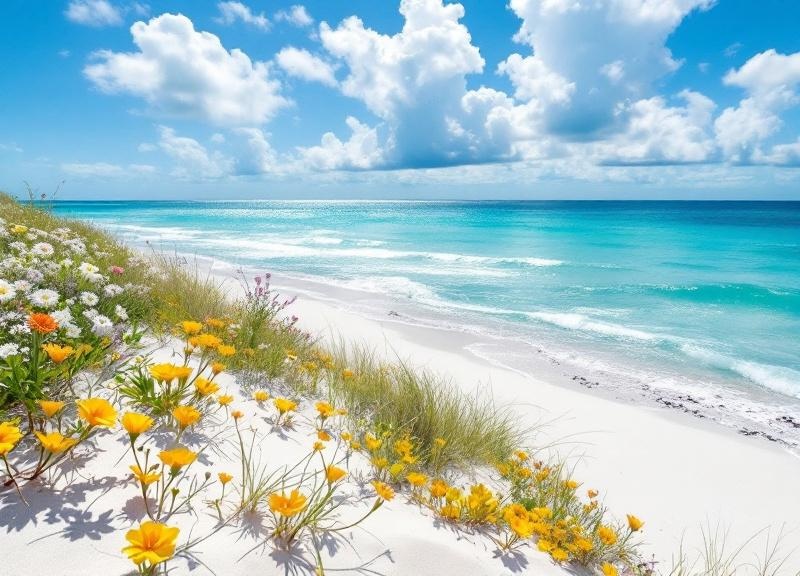
Summer in Sarasota runs hot and wet from June through August. The crowds thin, rates drop, and the Gulf water reaches its warmest temperatures of the year. The afternoon thunderstorm pattern is reliable but brief, and the morning and evening conditions are typically beautiful.
What Makes Summer Special

01
Sea Turtle Nesting Season
Summer is peak sea turtle nesting season on Sarasota beaches. Loggerhead turtles come ashore at night to nest from May through September. The county monitors hundreds of nests annually and organizes public hatchling watches that are open to all visitors.

02
Value Season
Accommodation rates in summer drop 30 to 50 percent below peak winter pricing at comparable properties. The beaches are active with families on school vacation, but not at the capacity that January and February can reach. Cultural institutions maintain their schedules.
03
Water Sports Peak
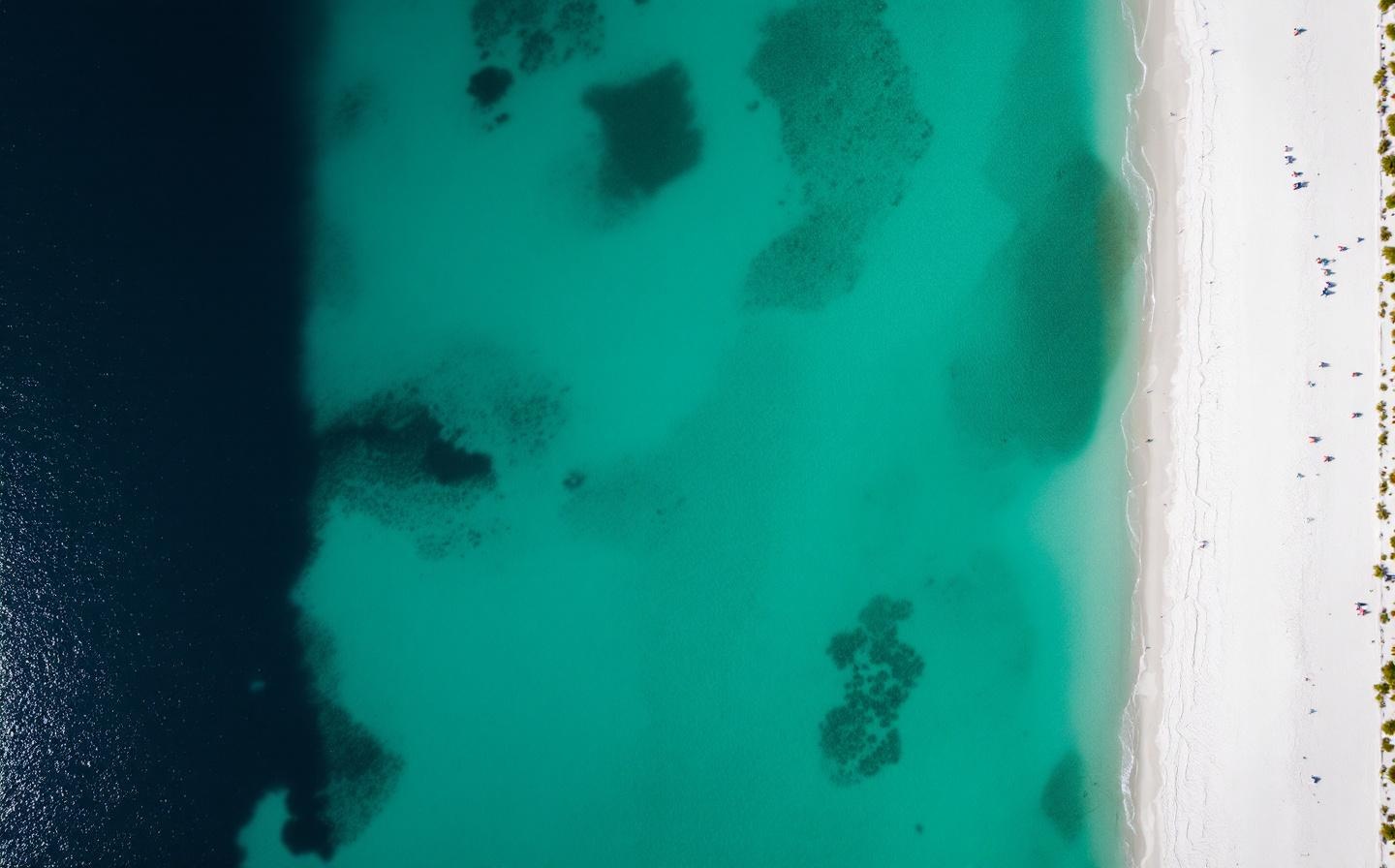
The Gulf reaches its warmest temperatures of the year in July and August, making it ideal for extended snorkeling, paddleboarding, and swimming. Parasailing, jet ski rentals, and dolphin cruises all operate at full capacity through the summer months.
Weather Reality
June through August averages daytime highs in the low 90s. Humidity is significant. The Gulf breeze on the barrier islands moderates the beach experience, but the late afternoons with full sun and minimal breeze are genuinely hot by most standards. The daily thunderstorm pattern typically arrives between 2 and 4 p.m. and passes within an hour, leaving clear conditions for the evening.
Sea Turtle Nesting
Summer is peak sea turtle nesting and hatching season on Sarasota beaches. Loggerhead turtles come ashore at night to nest from May through September. Hatchlings emerge from August through October. The county runs a sea turtle monitoring program with organized nest watches that are open to the public. The experience of watching a loggerhead hatchling crawl to the Gulf is one of the more memorable Sarasota summer activities.
Value Season Advantages
Accommodation rates in summer drop 30 to 50 percent below peak winter pricing at comparable properties. The beaches, while warmer and busier with families taking advantage of school vacation, are not packed to the degree that the winter peak can achieve. Cultural institutions maintain their programming through the summer.